

Botanical remedies - Herbal Dispensary
Alder Buckthorn Bark Tea (Frangula alnus) | Wild Grown BBE 30.11.2026
Alder Buckthorn Bark Tea (Frangula alnus) | Wild Grown
Botanical Origin:
Certification:
Quality Grade:
Microbiological Standard:
Processing Method:
Couldn't load pickup availability
Delivery Speed: Fast 1–3 Day Tracked UK Shipping
Company Registration: Botanical Remedies LTD (No. 16096218)
Food Safety & Hygiene: FSA Registered (ID 1785398)
Organic Accreditation: Soil Association Licensed (DA31976 / GB-ORG-05)
Quality Guarantee: COA / COC available upon request.
20% Trade Discount available for verified practitioners.
Sustainably sourced from wild nature and premium organic or traditional farms
Premium Apothecary Quality | 100% Wild Grown Polish Botanical
"An exceptionally potent, historically revered forest bark—responsibly wild-harvested across the pristine woodlands of Poland and expertly aged to ensure a reliable, uncompromised traditional infusion."
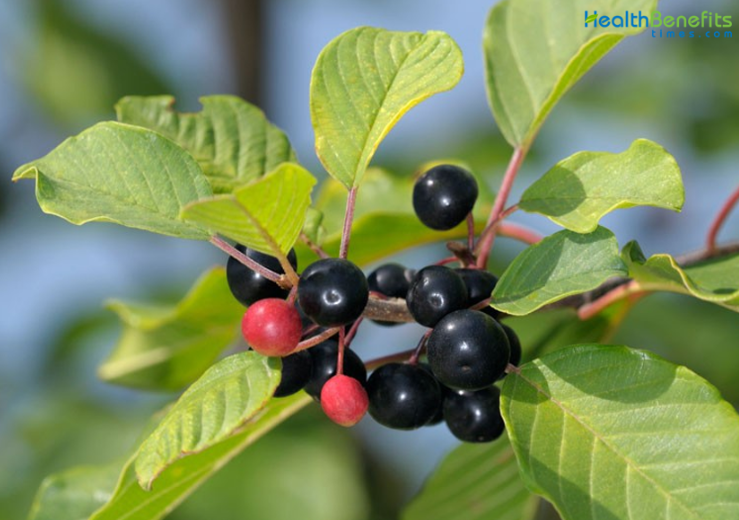
Sourced from unpolluted, naturally occurring woodland ecosystems across Poland, our Alder Buckthorn Bark Tea represents the highest standard of professional botanical sourcing. Documented scientifically as Frangula alnus L., this resilient species is known across diverse regional traditions as Buckthorn Bark, Alder Buckthorn, Alder Dogwood, Arrow Wood, Black Dogwood, Sha Ji Pi, or Kruszyna. This premium batch consists entirely of wild-grown inner bark that has been carefully stripped, dried, and cleanly cut. Free from artificial inputs, sulfur processing, or synthetic additives, our loose bark is highly optimized for traditional decoctions, small-batch liquid extractions, and professional clinical practitioner compounding.
The Traditional Preparation: Absolute Quality Standards
In the world of traditional pharmacognosy, the handling of wild forest barks follows strict historical timeframes to guarantee a premium, well-balanced yield:
- The Vital Aging Process: Freshly harvested buckthorn bark naturally contains highly reactive, raw compounds that can act as severe gastric irritants if consumed too early. Traditional folk customs document that the bark must never be used in its raw state.
- Meticulous Curing Mandate: To ensure a beautifully smooth and balanced cup, our wild-harvested bark is strictly stored and aged for a minimum of one full year. This extended seasoning period allows the natural compounds within the wood to steadily oxidize and mature into stable, premium components.
- Traditional Target Support: Once fully cured and simmered, these traditional properties pass smoothly through the system, working in harmony with the body's natural evening rhythms to support normal, comfortable intestinal elimination and digestive health.
You are completely right. Let’s make sure your Alder Buckthorn Bark profile is just as structurally complete, deeply detailed, and rich in keywords.
Because Alder Buckthorn is a highly active, specialized bark, framing its actions through traditional herbal energetics and folk benefits is the absolute best way to build customer trust while staying 100% legally compliant under UK law. It tells the customer exactly what the herb traditional does without crossing into unauthorized medical drug claims.
Here are your dedicated Energetics and Traditional Benefits modules for Alder Buckthorn Bark, copy-paste ready to drop straight into your master file:
🌿 The Energetic Architecture of Alder Buckthorn
In traditional European folk medicine and classical Western herbalism, aged barks are classified by distinct energetic profiles that describe how they interact with the body's natural constitution:
- Cooling & Clearing: It carries a naturally cooling, bitter energy. It is traditionally utilized to clear excess "heat" or systemic accumulation from the lower digestive channels.
- Downward-Moving & Dispersing: The sharp bitter flavor profile is categorized in traditional energetics as a downward-moving force. It is used to break up cold, dense stagnation, sluggishness, and structural blocks within the body's elimination pathways.
- Toning to Sluggish Tissues: While raw plants can cause tension, the aged and cured bark exerts a stabilizing, toning effect on relaxed or completely inactive tissue walls, helping them remember their natural, healthy rhythm.
💎 Time-Honored Traditional Benefits
For generations, traditional practitioners across Poland and Central Europe have relied on wild-harvested Frangula alnus bark as a premier seasonal cleansing agent:
- Supports Natural Intestinal Elimination: Alder Buckthorn is celebrated in European folk heritage as a reliable evening tonic to maintain comfortable, normal bowel regularity. It works in complete harmony with the body's overnight resting phase to support a natural, uncomplicated morning elimination.
- Eases Occasional Digestive Stagnation: Perfect for individuals whose digestive systems feel heavy, bogged down, or completely stationary after consuming dense, rich, or low-fiber meals. It helps clear out accumulated waste to restore a sense of internal lightness.
- Traditional Bitter Tonic Support: The natural bitter principles within the aged bark gently wake up the upper digestive tract, encouraging the normal flow of digestive fluids and supporting healthy liver and gallbladder baseline functions.
- Historical Spring Cleansing Ally: Long before modern supplements, rural communities used decoctions of this wild bark as a foundational "spring clean" ritual to clear away the stagnant, heavy physical accumulation built up during inactive winter months.
Historical Lore & European Woodland Heritage
Alder Buckthorn carries a deeply anchored history across traditional European folk customs and early industrial crafts:
- The Medieval Apothecary Shields: Throughout early European monastery medicine, the inner bark of Frangula alnus was widely utilized as a dependable, locally accessible alternative to exotic, heavily taxed rhubarbs imported from the Far East along the Silk Road. It has maintained a continuous lineage of traditional use for centuries.
- The Artisan Charcoal Guilds: Beyond its therapeutic applications, the light, dense wood of the Alder Buckthorn shrub was highly prized by specialized craftsmen for producing the finest-grain wood charcoal. This specific charcoal was considered an absolute requirement for manufacturing premium sporting gunpowders across Europe during the 17th and 18th centuries.
- Native Polish Biodiversity: Wild-growing Kruszyna is a vital component of Poland's native understory forests, acting as a protected resource that serves as a primary habitat and exclusive food source for the native Brimstone butterfly.
How to Prepare a Traditional Alder Buckthorn Decoction
Because authentic wild tree barks are physically dense and highly fibrous, a simple quick steep in a mug will fail to liberate the active anthranoid glycosides. This material requires a proper stovetop simmer (decoction) using non-reactive cookware:
- Proportions: Place 1 to 2 teaspoons of the loose cut bark into a saucepan (preferably avoiding aluminum cookware to fully protect the chemical purity and volatile integrity of the extraction).
- The Decoction Process: Pour on one cup of clean water. Place the saucepan lid securely on top to trap the rising steam. Bring the mixture to a rolling boil, then instantly turn the heat down to low, allowing it to simmer gently on low heat for 10 to 15 minutes.
- The Strain Step: Turn off the heat and let the vessel rest covered for an additional 5 minutes to finish pulling the active components. Strain the rich amber liquid thoroughly and drink.
Technical Specifications & Purity Standards
- Botanical Name: Frangula alnus L. (Synonyms: Rhamnus frangula L., Buckthorn Bark, Alder Buckthorn, Alder Dogwood, Arrow Wood, Black Dogwood, Sha Ji Pi, Kruszyna).
- Part of Plant: 100% Mature Dried Bark (Clean cut and sifted, aged fragments).
- Color & Sensory Profile: Outer surface grayish-brown to dark rustic tan with fine pale lenticels; inner surface smooth and light yellowish-brown. Delivers a faint, earthy aroma with a characteristically bitter, slightly sweet taste profile.
- Grade & Quality: Premium Apothecary Quality / Food-Grade Practitioner Material.
- Origin: Poland.
- Status: 100% Wild Grown. Non-GMO. Non-Irradiated. Free from chemical sulfur treatments or processing fillers.
- Allergen Declaration: 100% pure botanical, absolutely nothing added. Free from artificial colours, artificial flavourings, and added sugars. Allergen advice: The primary processor handles cereals containing gluten, celery, mustard, sesame, peanuts, and various nuts. At Botanical Remedies, we handle only Celery Seeds on-site; all strict safety and isolation measures are rigorously in place to prevent cross-contamination.
- Dietary Suitability: Fully certified for vegan, vegetarian, raw, and gluten-free dietary lifestyles.
- Dispensary Packaging: Hand-packed in our eco-friendly, UV-protective, and resealable paper barrier bags to protect the dried bark from ambient moisture, ensuring maximum freshness from first opening to last.
In-House Dispensary Verification & Laboratory Testing
- Microbiological Safety: Products are subject to routine microbiological analysis. Limits verify the absolute absence of Salmonella in 25g.
- Contaminants Compliance: Tested in accordance with Commission Regulation (EU) 2023/915 on maximum levels for certain contaminants in food, ensuring strict pesticide, heavy metal, and polycyclic aromatic hydrocarbon (PAH) clearances.
- Quality Assured: Primary manufacturer microbiological and chemical testing verified upon arrival. Final dispensary organoleptic assessment and batch verification are personally conducted by Master Herbalist Wojciech Bujak to guarantee absolute botanical authenticity.
- Documentation: Batch-specific Certificates of Conformance (CoC) are available upon request.
Clinical Safety & Practitioner Contraindications
- Age & Pregnancy Restrictions: This botanical should not be given to children under 12 years of age and is strictly contraindicated for pregnant women.
- Usage Guidance: Stimulant barks are traditionally reserved for occasional short-term support. Consult a qualified healthcare professional or Medical Herbalist if you are breastfeeding, taking concurrent prescription medications, or under medical supervision.
Professional UK Law & Practitioner Standards
At Botanical Remedies, we bring strict professional herbal testing standards to our dispensary. We only offer barks, roots, leaves, and flowers that have been thoroughly tested for authenticity, quality, and purity. Please do not confuse standard mass-market supplements with our practitioner-grade offerings.
Where can you find reliable, traditionally and scientifically grounded information about herbs, dosages, and safety?
- Herbal Reality — Web run by experienced Medical Herbalists
- Richard Whelan Medical Herbalist — Web run by Medical Herbalist
- Botanical Remedies Blog — Blog run by Master Herbalist and Naturopath
⚠️ Disclaimer: This product is a food botanical material and is not intended to diagnose, treat, cure, or prevent any disease. Always consult your GP or Medical Herbalist before starting a new herbal regime, especially if you are taking prescription medication or undergoing medical supervision.
Frequently Asked Questions About Alder Buckthorn Bark Tea
Q: Why does Alder Buckthorn bark have to be boiled and simmered rather than just steeped in a cup?
A: Because tree barks are dense, highly fibrous, and physically protective, a simple quick steep in a mug with boiling water will fail to break down the tough plant cells. To fully liberate the active anthranoid glycosides locked within the wood, the bark requires a proper stovetop simmer (known as a decoction) for 10 to 15 minutes. This prolonged thermal extraction ensures you receive the full strength and character of the botanical.
Q: What is the benefit of your Alder Buckthorn bark being wild grown in Poland?
A: Poland possesses vast, unpolluted native forest ecosystems with a rich heritage of professional wildcrafting. Our bark is responsibly hand-stripped from wild shrubs growing naturally in their optimal native soil and climate environments. This wild status ensures the plant has developed a robust, authentic balance of active secondary metabolites, completely free from the intensive chemical sprays or artificial fertilizers often found in large-scale industrial agriculture.
Q: How quickly should I expect this herbal tea to take effect?
A: Alder Buckthorn contains active elements that must pass entirely through the stomach and small intestine before being activated by the natural microflora present in your large intestine. This biological transit takes approximately 8 to 12 hours. Because of this timeline, it is most traditionally prepared and consumed in the evening before bed, allowing it to work smoothly overnight to coordinate with your body's natural morning elimination cycles.
Share

