Botanical remedies - Herbal Dispensary
Cassia Cinnamon Bark (Cinnamomum cassia) Loose Tea
Cassia Cinnamon Bark (Cinnamomum cassia) Loose Tea
Botanical Origin:
Certification:
Quality Grade:
Microbiological Standard:
Processing Method:
Couldn't load pickup availability
Delivery Speed: Fast 1–3 Day Tracked UK Shipping
Company Registration: Botanical Remedies LTD (No. 16096218)
Food Safety & Hygiene: FSA Registered (ID 1785398)
Organic Accreditation: Soil Association Licensed (DA31976 / GB-ORG-05)
Quality Guarantee: COA / COC available upon request.
20% Trade Discount available for verified practitioners.
Sustainably sourced from wild nature and premium organic or traditional farms
Premium Cultivated Apothecary Grade | Traditional Warming Yang Tonic
"A profoundly sweet, intensely warming, and acrid bark, harvested at peak volatile oil maturity to deliver an uncompromised cut of authentic Indonesian Cassia."
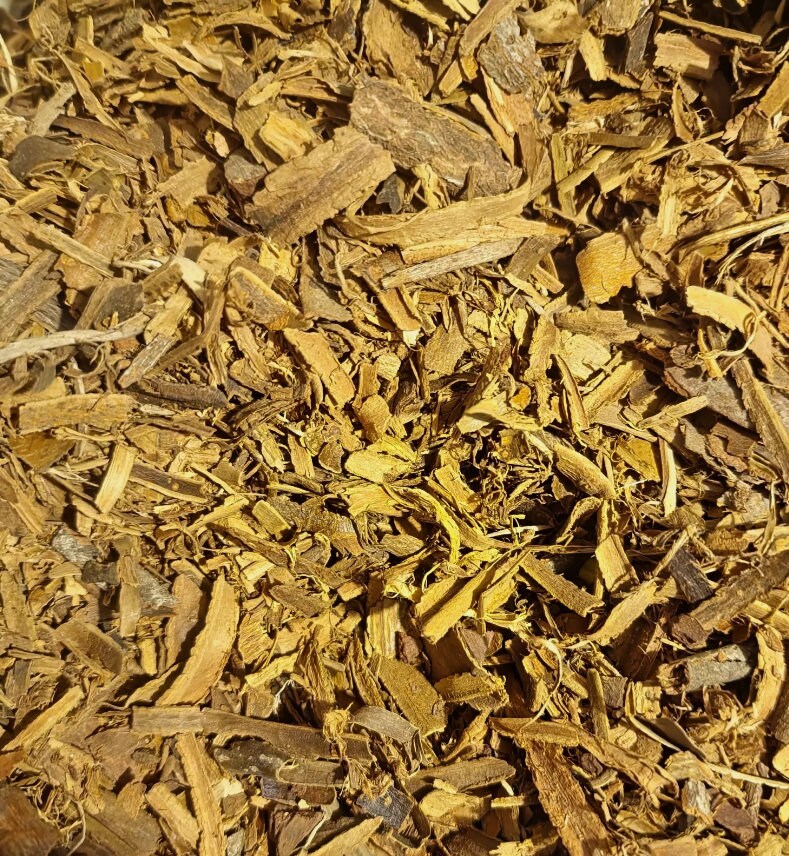
Sourced directly from pristine, sustainably managed agricultural estates in the optimal volcanic soils of Southeast Asia, our Cassia Cinnamon Bark represents the pinnacle of traditional apothecary sourcing. Celebrated natively in Eastern traditions as Rou Gui (肉桂) and globally known simply as Cassia or Sweet Cinnamon, Cinnamomum cassia has been traded as a foundational pillar of global commerce for millennia. This premium batch consists entirely of mature, thick-cut outer bark sections that have been meticulously dried and cleanly cut into coarse, rustic pieces. Free from industrial sulfur processing, artificial enhancements, or chemical inputs, this selection is highly optimized for traditional apothecary decoctions, liquid extracts, and artisanal culinary compounding.
Versatile Apothecary & Culinary Applications
Because our loose Cassia Cinnamon bark is left in its raw, unprocessed cut state with its essential oil matrix entirely intact, it provides maximum compounding flexibility:
- Traditional Warming Decoctions: The thick, dense, woody cellular structure of Cassia bark requires a prolonged stovetop simmer to fully break down its cell walls, yielding a robust, naturally sweet, and deeply aromatic amber liquor.
- Eastern Compounding & Synergy: In Traditional Chinese Medicine frameworks, Cassia bark (Rou Gui) is almost universally paired alongside dried Ginger root (Gan Jiang) to strongly ground, warm, and encourage internal metabolic fire.
- Artisanal Culinary Infusions: Due to its bold, punchy, and robust flavor profile, these cut pieces are perfect for mulling wines, brewing traditional spiced chais, pickling, or adding complex depth to slow-cooked dishes without dissolving into a gritty powder.
Historical Lore & Global Heritage
Few botanicals boast a history as rich, guarded, and dramatic as Cassia Cinnamon. For centuries, its true origins were shrouded in mystery to maintain global trade dominance:
- The Antiquity Monopolies: Throughout the Middle Ages, Arab and Venetian traders carefully fabricated elaborate myths about where cinnamon came from to protect their geographic monopolies. It was the frantic disruption of this highly lucrative cinnamon trade that ultimately forced European explorers to sail the globe in search of new maritime routes to Asia.
- The Sacred Oils of Antiquity: In the biblical text of Exodus (30:23), Moses was explicitly commanded to incorporate both sweet cinnamon and cassia into the holy anointing oil, utilizing hundreds of shekels of the fragrant spice. It was highly revered on specialized incense altars within the First and Second Jerusalem Temples.
- Ancient Roman Luxury: The Roman historian Pliny the Elder noted that the cinnamon trade crossing the Red Sea cost the empire an astronomical 100 million sesterces annually, documenting that 350 grams of cinnamon was equal in value to 5 kilograms of pure silver. In a legendary display of grief and wealth, Emperor Nero is said to have burned a translation of an entire year’s supply of Rome’s cinnamon at the funeral of his wife, Poppaea Sabina.
- The Plague Amulets: In ancient Egypt, the antimicrobial properties of this fragrant bark were utilized during sacred embalming practices and added to food to prevent spoilage. Centuries later, during the devastating European bubonic plague cycles, sponges were heavily soaked in concentrated infusions of cinnamon and cloves and placed within sickrooms to clear and purify the heavy air.
How to Prepare a Traditional Cassia Cinnamon Decoction
Because authentic wild and cultivated barks are highly fibrous and physically dense, a simple quick mug steep with a tea bag will fail to liberate the plant's golden-yellow essential oils. This material requires a proper practitioner stovetop simmer:
- Proportions: Place 1 to 2 teaspoons of the loose cut bark into a saucepan (we highly recommend avoiding aluminum cookware to protect the chemical purity and volatile oils of the extraction).
- The Decoction Process: Pour in 250ml of clean, cold water. Place a tight-fitting lid or saucer securely onto the saucepan to prevent the valuable fragrant steam from escaping. Bring the mixture to a rolling boil, then instantly turn the heat down to low, allowing it to simmer gently for 10 to 15 minutes.
- The Strain Step: Turn off the heat and let the vessel rest covered for 5 minutes. Strain the deep, aromatic liquid through a fine mesh sieve or clean cotton cloth. Enjoy plain as a naturally sweet, warming tonic, or use as a robust base for your favorite herbal tea blends.
Technical Specifications & Purity Standards
- Botanical Name: Cinnamomum cassia (L.) J.Presl (Synonyms: Cassia Bark, Sweet Cinnamon, Rou Gui).
- Part of Plant: 100% Mature Dried Bark (Clean cut and sifted coarse pieces).
- Color & Sensory Profile: Deep reddish-brown to rustic tan woody fragments displaying an intensely sweet, pungent, and warm fragrance with an acrid, sweet, and distinctly hot taste profile.
- Grade & Quality: Premium Apothecary Quality / Food-Grade Practitioner Material.
- Origin: Indonesia / East Asia.
- Status: 100% Sustainably Cultivated. Non-GMO. Non-Irradiated.
- Allergen Declaration: 100% pure botanical, absolutely nothing added. Free from artificial colours, artificial flavourings, and added sugars. Allergen advice: The primary processor handles cereals containing gluten, celery, mustard, sesame, peanuts, and various nuts. At Botanical Remedies, we handle only Celery Seeds on-site; all strict safety and isolation measures are rigorously in place to prevent cross-contamination.
- Dietary Suitability: Fully suitable for vegan, vegetarian, raw, and gluten-free lifestyles.
- Dispensary Packaging: Hand-packed in our eco-friendly, UV-protective, and resealable barrier paper pouches to ensure the essential oils remain stable and fresh from first opening to last.
In-House Dispensary Verification & Laboratory Testing
- Microbiological Safety: Products are subject to routine microbiological analysis. Limits verify the absolute absence of Salmonella in 25g.
- Contaminants Compliance: Tested in accordance with Commission Regulation (EU) 2023/915 on maximum levels for certain contaminants in food, ensuring strict pesticide, heavy metal, and polycyclic aromatic hydrocarbon (PAH) clearances.
- Quality Assured: Primary manufacturer microbiological and chemical testing verified upon arrival. Final dispensary organoleptic assessment and batch verification are personally conducted by Master Herbalist Wojciech Bujak to guarantee absolute botanical authenticity.
- Documentation: Batch-specific Certificates of Conformance (CoC) are available upon request.
Clinical Safety & Practitioner Contraindications
- Pregnancy & Lactation: Not suitable for use during pregnancy or while breastfeeding due to the highly stimulating, warming, and emmenagogue properties naturally associated with Cinnamomum cassia volatile oils.
- Gastrointestinal Specifics: Strictly contraindicated for individuals diagnosed with active stomach ulcers or intestinal ulcers, as the sharp, acrid, and pungent nature of the spice can irritate sensitive mucosal linings.
Professional UK Law & Practitioner Standards
At Botanical Remedies, we bring strict professional herbal testing standards to our dispensary. We only offer barks, roots, and loose herbs that have been thoroughly tested for authenticity, quality, and purity. Please do not confuse standard mass-market supplements with our practitioner-grade offerings.
Where can you find reliable, traditionally and scientifically grounded information about herbs, dosages, and safety?
- Herbal Reality — Web run by experienced Medical Herbalists
- Richard Whelan Medical Herbalist — Web run by Medical Herbalist
- Botanical Remedies Blog -- Blog run by our Herbalists
⚠️ Disclaimer: This product is a food supplement/botanical material and is not intended to diagnose, treat, cure, or prevent any disease. Always consult your GP or Medical Herbalist before starting a new herbal regime, especially if you are taking prescription medication or undergoing medical supervision.
Frequently Asked Questions About Cassia Cinnamon Bark
Q: What is the main difference between Cassia Cinnamon and Ceylon Cinnamon?
A: While they belong to the same genus, they have very distinct profiles. Cassia Cinnamon (Cinnamomum cassia) is what most people consider "regular" cinnamon. It features a bold, deeply pungent, sweet, and intensely hot flavor that holds up beautifully in baking and practitioner decoctions. Ceylon Cinnamon (Cinnamomum verum) is often called "True Cinnamon." It is grown primarily in Sri Lanka, carries a much higher price tag, and features a significantly lighter, tan color with a much softer, more delicate, and less bitter flavor profile.
Q: Does Cassia Cinnamon contain high levels of coumarin, and is it safe?
A: Yes, Cassia Cinnamon naturally contains higher levels of a plant compound called coumarin compared to Ceylon Cinnamon. When consumed as a standard loose herbal tea or culinary spice within normal, recommended dietary levels, it is completely safe and highly beneficial for the vast majority of individuals. However, because of the coumarin content, individuals with compromised liver health or those taking prescription blood-thinning medications should consult their clinical practitioner before introducing large, concentrated therapeutic doses.
Q: Can I prepare this loose bark in a standard mesh tea ball or mug infuser?
A: We strongly advise using the stovetop decoction method instead. Cut bark is physically dense and highly resilient. Simply pouring boiling water over it in a mug will not generate enough prolonged thermal energy to break down the tough plant cells, leaving the most valuable compounds trapped inside the wood. A proper 10-to-15-minute gentle simmer on a stovetop is essential to experience the true flavor and aroma of this botanical.
Share