
Botanical remedies - Herbal Dispensary
Dried Common Bean Pods (Phaseolus vulgaris) | Cut Loose Pericarp
Dried Common Bean Pods (Phaseolus vulgaris) | Cut Loose Pericarp
Botanical Origin:
Certification:
Quality Grade:
Microbiological Standard:
Processing Method:
Couldn't load pickup availability
Delivery Speed: Fast 1–3 Day Tracked UK Shipping
Company Registration: Botanical Remedies LTD (No. 16096218)
Food Safety & Hygiene: FSA Registered (ID 1785398)
Organic Accreditation: Soil Association Licensed (DA31976 / GB-ORG-05)
Quality Guarantee: COA / COC available upon request.
20% Trade Discount available for verified practitioners.
Sustainably sourced from wild nature and premium organic or traditional farms
Our premium Common Bean Pods (Phaseolus vulgaris) is an apothecary-grade, pure loose botanical material cleanly cut and sifted to preserve its native matrix of silicic acid, flavonoids, and essential trace minerals. Sourced from choice cultivated crops in Poland, this premium seedless pericarp can be masterfully prepared as a fluid-balancing traditional herbal decoction or utilized across an array of old-world apothecary crafts, providing an uncompromised raw material optimized for traditional dispensaries and home herbalists alike.
🌿 Sustainably Cultivated Common Bean Pods (Phaseolus vulgaris) | 100% Pure Mature Pod Cut | Traditional European Fluid-Balancing Botanical
"A clean, mineral-dense European seedless pericarp—treasured for generations for its gentle, neutral-sweet character and remarkable ability to support fluid movement and systemic balance."
Sourced directly from the fertile agricultural fields of Poland—a region highly favored for cultivating mineral-rich leguminous herbs with pure phytochemical profiles—our Common Bean Pods represent an outstanding standard of traditional ethnobotanical care. Formally classified under the taxonomical designation Phaseolus vulgaris L. (Family: Fabaceae) and recognized globally across historical lineages as French Bean, Kidney Bean, Phaseoli fructus sine semine, Phaseoli pericarpium, or Fasola Strąki, this valuable botanical material consists exclusively of mature, seedless pod walls. Harvested after full pod ripening and seed removal, the pericarp is carefully shade-dried and cut into uniform pieces optimized for traditional apothecary decoctions, cold macerations, and liquid extractions.
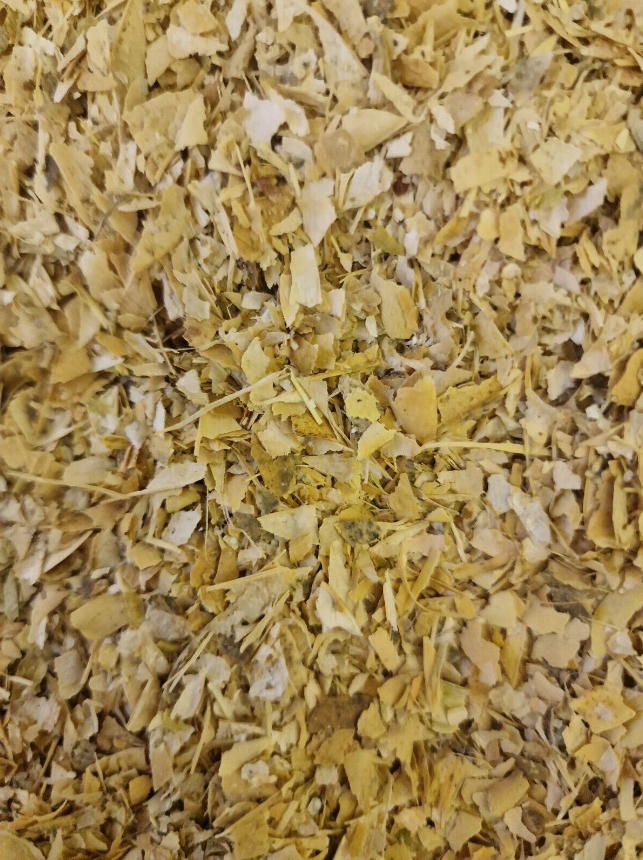
Each batch consists exclusively of clean, pale green-to-straw-yellow dried pericarp segments, serving as a reliable tool for those who demand strict botanical authenticity and uncompromised apothecary quality.
🌿 The Energetic Architecture of Phaseolus vulgaris
In traditional Western herbalism, old-world constitutional systems, and traditional energetic mapping, the dried pericarp of Phaseolus vulgaris presents a beautifully balanced physical profile:
- The Organoleptic Profile: Greets the senses with a mild, earthy, and subtly sweet vegetable aroma, unfolding on the palate with a smooth, neutral, delicate broth-like flavor.
- Core Constitutional Nature: Considered traditionally as a Neutral-to-Sweet, Slightly Bitter, Cool, and Drying Herb.
- Traditional Classification Qualities: Celebrated across old-world literature for its complex Draining, Flushing, Toning, Restoring, Harmonizing, and Soothing energetic movements.
- Systemic Balancing: Operating as a master fluid harmonizer, its gentle cooling nature helps clear damp accumulation, dispersing fluid stagnation while supporting the natural elimination pathways of the urinary and metabolic systems.
💎 Versatile Apothecary & Compounding Applications
While mass-market alternatives treat Bean Pods simply as a basic commercial tea component, traditional lineages recognize this premium cut pericarp as a highly versatile raw material. For centuries, this exact botanical format has been masterfully utilized across various traditional mediums:
- Traditional Cold Macerations & Decoctions: The primary method to break down dense pod cell walls, releasing valuable silicic acid, flavonoids, and mineral salts into a rich, fluid-balancing brew.
- Dispensary Macerations & Tinctures: An ideal raw material for creating high-potency, small-batch liquid extracts within professional dispensary settings using hydro-alcoholic menstruums.
- Apothecary Vinegars: Infusing the cut pericarp into live apple cider vinegar matrices to yield mineral-rich, bioavailable daily tonics.
- Infused Topical Rinses & Compresses: Brewing strong decoctions to utilize as a soothing, astringent topical wash or compress for delicate tissue support.
- Synergistic Fluid-Balancing Blends: In traditional Western herbalism, bean pericarp pairs exceptionally well with Horsetail (Equisetum arvense), Birch Leaves (Betula pendula), or Dandelion Leaf (Taraxacum officinale), creating a highly robust systemic tonic profile.
🔮 Traditional Heritage & European Folklore
Revered across continental European folk medicine for centuries, Phaseolus vulgaris pericarp holds a foundational position in traditional dispensary history:
- Historical Lineage in European Folk Medicine: Long celebrated by Renaissance herbalists such as Hieronymus Bock, Pietro Andrea Mattioli, and Culpeper's continental contemporaries for its remarkable ability to encourage fluid flow without irritating delicate renal tissue.
- The Seedless Pericarp Distinction: Traditional plant lore specifically emphasizes using the pod after seed removal, isolating the fibrous outer walls rich in phaseolin, chromium, and mineral salts while leaving behind heavy starches.
- Traditional Chinese Medicine (TCM) Profile (Cai Dou / Dou Jia): In Eastern energetic systems, Cai Dou is utilized to drain dampness, clear summer-heat, and harmonize the Spleen and Stomach meridians.
📊 Technical Specifications & Apothecary Standards
| Identification Metric | Laboratory Verified Standard |
| Botanical Name | Phaseolus vulgaris L. (Family: Fabaceae) |
| Primary Synonyms | French Bean, Kidney Bean, Phaseoli fructus sine semine, Phaseoli pericarpium, Fasola Strąki, Cai Dou |
| Part of Plant | 100% Mature Seedless Pod Pericarp (Clean cut and sifted format) |
| Grade & Quality | Premium Apothecary Quality / Food-Grade Practitioner Material |
| Sourcing Status | 100% Sustainably Cultivated |
| Geographical Origin | Poland |
| Dietary Suitability | Fully suitable for raw, vegan, vegetarian, and gluten-free lifestyles |
| Processing Protocol | Pure warm air shade-dried and cut without chemical intervention |
⚠️ IMPORTANT BOTANICAL SAFETY & CONTRAINDICATIONS
🛑 Advanced Phytochemical Safety & Practitioner Parameters
Common Bean Pods are generally recognized as safe for traditional culinary and apothecary uses. To ensure absolute safety, consumers and compounding labs must strictly observe these primary safety guidelines:
- Pregnancy & Lactation: Not recommended for use during pregnancy or while breastfeeding due to a lack of established safety data for therapeutic herbal doses.
- Cardiac & Renal Edema: Strictly contraindicated in cases of fluid accumulation (swelling/edema) caused by reduced cardiac or renal function. Flushing therapies require healthy baseline organ reserve.
- Blood Sugar & Diabetic Medications: While traditionally used alongside dietary monitoring, individuals taking diabetic medications or insulin should monitor blood glucose levels closely when introducing daily botanicals.
- Diuretic Considerations: May exert a gentle natural aquaretic effect. Use caution if combining with prescribed pharmaceutical diuretics to prevent potential additive fluid-loss effects.
How to Prepare a Traditional Common Bean Pod Tea (Decoction)
Because dried bean pericarp contains dense plant fibers and silicic acid, a standard quick mug steep will not yield an active extraction. This material requires a proper practitioner cold maceration and stovetop simmer:
- The Proportions: Place 2 tablespoons (approx. 5–8g) of the loose cut bean pods into a saucepan. Avoid using pure aluminum cookware to preserve the chemical purity of the brew.
- The Cold Maceration Phase: Pour over 500ml of cold water. Set aside at room temperature to soak (macerate) undisturbed for 6 hours to soften the tough fibrous cell walls.
- The Decoction Process: After soaking, bring the mixture to a rolling boil over medium heat, then instantly reduce the heat, cover securely with a tight lid, and simmer gently on low heat for 2 to 3 minutes.
- The Rest & Straining Phase: Turn off the heat and allow the covered vessel to rest undisturbed for 30 minutes to steep and let volatile elements condense. Strain thoroughly through a fine mesh, cotton cloth, or unbleached muslin. Drink 1 cup in the morning and 1 cup in the evening.
🌿 Dispensary Quality Control & Storage Integrity
- Microbiological Safety: Every production batch is subject to routine microbiological analysis. Limits verify the absolute absence of Salmonella in 25g.
- Contaminants Compliance: Tested rigorously in accordance with Commission Regulation (EU) 2023/915 on maximum levels for certain contaminants in food, ensuring strict pesticide residue, heavy metal, and environmental clearances for cultivated raw materials.
- Quality Assured: Primary manufacturer microbiological and chemical testing verified upon arrival. Final dispensary organoleptic assessment, color checking, and batch verification are personally conducted by Master Herbalist Wojciech Bujak to guarantee absolute botanical authenticity. Batch-specific Certificates of Conformance (CoC) are available upon request.
- Botanical Format Note: Due to the fibrous nature of dried pericarp, a small amount of fine botanical dust may naturally settle at the bottom of the bag during transit. This dust contains the exact same active principles as the larger cut pieces.
- Allergen Declaration: 100% pure botanical, absolutely nothing added. Free from artificial colors, artificial flavorings, and added sugars. Allergen advice: The primary processor handles cereals containing gluten, celery, mustard, sesame, peanuts, and various nuts. At Botanical Remedies, we handle only Celery Seeds on-site; all strict safety and isolation measures are rigorously active to prevent cross-contamination.
- Dispensary Packaging: Hand-packed on-site and sealed in our eco-friendly, and completely resealable paper pouches to ensure the raw herb remains perfectly dry, stable, and fresh from first opening to last.
- Storage Protocol: Store in a cool, dark, and dry place entirely out of direct sunlight and away from ambient humidity or moisture. Keeping the bag tightly zipped between uses completely secures the sensitive parameters and guarantees optimal herbal freshness throughout its shelf life.
Professional UK Law & Practitioner Standards
At Botanical Remedies, we bring strict professional herbal testing standards to our dispensary. We only offer barks, roots, leaves, and seedless pods that have been thoroughly tested for authenticity, quality, and purity. Please do not confuse standard mass-market tea brands with our practitioner-grade offerings.
Where can you find reliable, traditionally and scientifically grounded information about herbs, dosages, and safety?
- Herbal Reality — Web run by experienced Medical Herbalists
- Richard Whelan Medical Herbalist — Web run by Medical Herbalist
- Botanical Remedies Blog — Blog run by Master Herbalist and Naturopath
⚠️ Disclaimer: This product is a food botanical material and is not intended to diagnose, treat, cure, or prevent any disease. Always consult your GP or Medical Herbalist before starting a new herbal regime, especially if you are taking prescription medication or undergoing medical supervision.
Frequently Asked Questions About Common Bean Pods
Q: Why do Common Bean Pods require a 6-hour cold soaking process?
A: Cold maceration softens the dense fibrous plant walls of the seedless pericarp, allowing for optimal extraction of natural silicic acid, trace minerals, and flavonoids into the water before the mixture is gently heated.
Q: What does Common Bean Pod tea taste like?
A: Common Bean Pod tea has a very mild, pleasant, earthy, and naturally sweet taste, similar to a light vegetable broth. It is palatable on its own or easily blended with other traditional fluid-balancing herbs.
Q: Can I prepare this loose pericarp in a standard mesh tea ball or mug infuser?
A: While a fast steep is possible, we strongly advise utilizing the traditional cold maceration and stovetop decoction method instead. The fibrous outer walls of the pod require sustained soaking and thermal energy to break down and release their full spectrum of minerals and active compounds.
Q: What is the difference between whole bean pods and cut pericarp?
A: Cut pericarp consists of seedless pods sliced to optimal apothecary size, providing a uniform surface area for proper extraction, cold soaking, and decoction while removing unwanted whole seeds.
Q: Is it normal to find some fine botanical dust at the bottom of my bag?
A: Yes, absolutely. This is a natural physical byproduct of dried fibrous plant material rubbing together during transit. The fine dust holds identical chemical potency to the larger cut pieces and is easily separated during preparation by straining the decoction through a tight cotton cloth or muslin filter.
Share
