

Botanical remedies - Herbal Dispensary
Magnolia Flowers Whole (Magnolia grandiflora) | Apothecary Grade
Magnolia Flowers Whole (Magnolia grandiflora) | Apothecary Grade
Botanical Origin:
Certification:
Quality Grade:
Microbiological Standard:
Processing Method:
Couldn't load pickup availability
Delivery Speed: Fast 1–3 Day Tracked UK Shipping
Company Registration: Botanical Remedies LTD (No. 16096218)
Food Safety & Hygiene: FSA Registered (ID 1785398)
Organic Accreditation: Soil Association Licensed (DA31976 / GB-ORG-05)
Quality Guarantee: COA / COC available upon request.
20% Trade Discount available for verified practitioners.
Sustainably sourced from wild nature and premium organic or traditional farms
Our Magnolia Flowers Whole (Magnolia grandiflora L. / Magnolia grandiflora flos)—sustainably cultivated in pristine agricultural estates in China and gently warm-air dried—are a supreme, practitioner-grade loose botanical. Consisting of 100% pure, intact whole dried blossoms, this ancient floral species is globally celebrated for its intoxicating citrus-spiced perfume, high concentration of polyphenolic biphenols (magnolol and honokiol), and over 2,000 years of continuous use across Eastern and Western Materia Medica.
Processed under strict GMP and HACCP quality management systems, our unadulterated Magnolia grandiflora blossoms contain zero additives, fillers, artificial perfumes, sulfur dioxide washes, or industrial preservatives. Every batch undergoes comprehensive laboratory screening confirming full compliance with Commission Regulation (EU) 2023/915 for heavy metals, PAHs, mycotoxins, Pyrrolizidine Alkaloids (PAs), Tropane Alkaloids, Perchlorate, Melamine, and Regulation (EC) No 396/2005 for pesticide residues, guaranteeing uncompromised purity and food safety for daily hot infusions, botanical steams, and professional compounding.
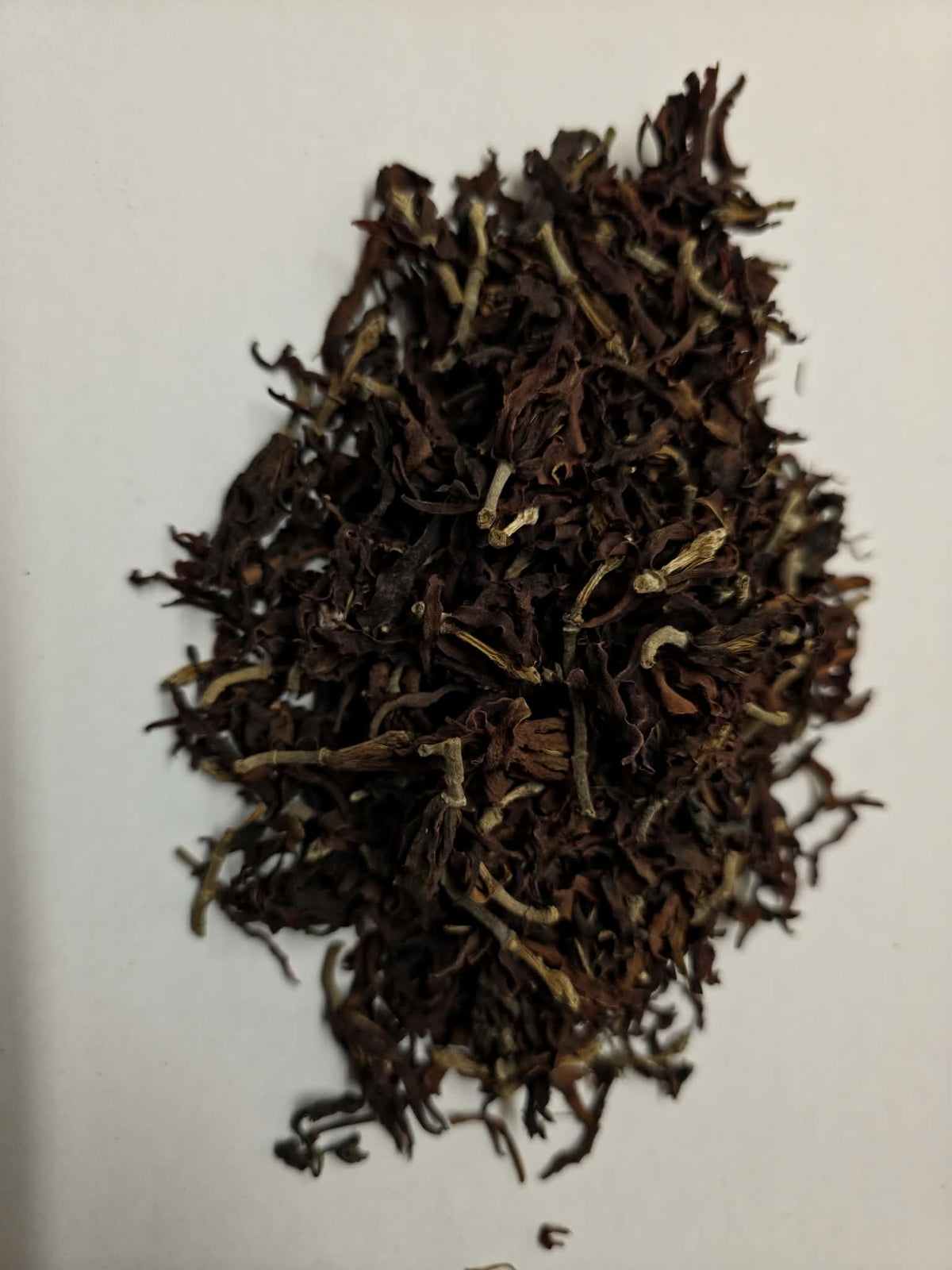
Characterized by a striking ivory-to-golden amber dried petal structure, whole Magnolia blossoms yield a refreshing, deeply aromatic tea with complex notes of bright lemon-citrus, warm clove-spice, and subtle pine. Naturally rich in active monoterpenes, eudesmol, magnolol, and honokiol, it is an exquisite choice for relaxing floral infusions, soothing nasal steams, and custom practitioner extractions.
🌿 Traditional Energetics, Affinities & Global Herbal Lore
"Revered across ancestral Chinese medicine as 'Hou Po Hua' (厚朴花 - Flowers) and closely aligned with 'Xin Yi' (辛夷 - Buds), while known in Japan as the 'peaceful and harmonious flower'—traditionally classified energetically as an acrid, warm, and intensely aromatic botanical holding a primary affinity for the Lung, Stomach, Spleen, and Liver meridians."
Magnolia represents one of the most ancient flowering plant lineages on Earth, appearing in the fossil record over 95 million years ago—predating the evolution of bees and developing thick, protective bracts pollinated by ancient beetles:
- Upper & Middle Burner (Jiao) Dynamics: In Traditional Chinese Medicine (TCM), while the bark acts deeply on the lower abdomen, the flowers (Hou Po Hua) present a lighter, ascending movement focused on the Upper and Middle Burners. It is traditionally relied upon to regulate stagnant Liver Qi, transform constitutional Dampness, awaken Spleen distribution, and open the upper respiratory and nasal pathways.
- Potent Polyphenolic Matrix: Whole Magnolia blossoms contain high natural concentrations of magnolol, honokiol, and eudesmol—active compounds celebrated in modern phytochemical research for their profound antioxidant density and soothing, cortisol-balancing energetic footprint.
- Imperial Tang Dynasty & Temple Gardens: Cultivated in Chinese Buddhist temple gardens since 600 AD, Magnolia blossoms were reserved for the Emperor’s palace grounds as sacred symbols of noble purity, spiritual gentleness, and womanly grace. In traditional Chinese culture, steeping pure petals in boiling water created the legendary Yunlan tea ritual.
- Cross-Cultural Heritage: In Japanese floral tradition, Magnolia is celebrated for instilling peaceful, harmonious energy. Passing into Western traditions and the American South, the snowy white blossoms became the classic bridal flower, symbolizing endurance, dignity, and long life.
🍵 How to Prepare Whole Magnolia Flower Infusions & Steams
Our intact Magnolia blossoms offer exceptional versatility for daily herbal teas, aromatic steams, and artisanal botanical formulas:
- Traditional Hot Tea Infusion (Yunlan Style): Place 1 to 2 whole dried flower heads (or coarsely broken petals, approx. 2–3g) into a cup or teapot. Pour over 250ml of freshly boiled water and cover immediately with a lid to prevent the precious volatile terpene matrix from evaporating into the air. Steep under cover for 5 to 15 minutes. Strain and enjoy warm.
- Aromatic Nasal & Facial Steam: Place 2 to 3 whole flowers in a wide heat-proof bowl, cover with boiling water, and lean over the bowl with a towel draped over your head to inhale the clarifying citrus-pine vapors.
- Apothecary & Cosmetic Extractions: Intact blossoms are ideal for infusing into plant oils or alcohol bases to extract magnolol and honokiol for natural skincare compounding, soothing topical balms, and relaxing bath preparations.
🔬 Quality Control, EU Compliance & Lab Safety
- Authentic Cultivated Sourcing: Harvested at peak bloom from clean agricultural regions in China, ensuring vibrant petal structure and dense volatile oil concentration.
- EU Safety & Contaminant Testing: Batch-tested in accordance with Commission Regulation (EU) 2023/915 confirming strict safety limits for heavy metals, PAHs, mycotoxins, Pyrrolizidine Alkaloids (PAs), and Regulation (EC) No 396/2005 for pesticide residues.
- Microbiological Clearance: Tested to ensure complete absence of Salmonella in 25g.
- Strict Moisture Control: Dried to a tight humidity standard (9.17%) to preserve blossom integrity and protect against microbial decay.
- Non-Irradiated & Non-GMO: Guaranteed 100% pure raw botanical material, non-irradiated, and non-GMO.
- Dispensary Quality Sign-Off: Primary supplier testing data is verified upon batch arrival, followed by an in-house organoleptic assessment (blossom structure, citrus scent, infusion clarity) personally verified by Master Herbalist Wojciech Bujak prior to packaging.
📊 Technical Specifications & Dispensary Standards
| Specification Metric | Dispensary Standard |
| Botanical Name | Magnolia grandiflora L. (Magnolia grandiflora flos) |
| Common / Traditional Names | Magnolia Flowers, Hou Po Hua (厚朴花), Xin Yi Lineage, Southern Magnolia, Bull Bay |
| Plant Part & Format | 100% Pure Whole Dried Flowers (Loose Botanical) |
| Quality Grade | Premium Practitioner Grade (Cultivated, EU Food Grade) |
| Country of Origin | China |
| Active Constituents | Magnolol, Honokiol, Eudesmol, Essential Volatile Monoterpenes |
| TCM Energetics | Acrid, Warm, Aromatic | Meridians: Lungs, Stomach, Spleen, Liver |
| Organoleptic Profile | Whole dried ivory/amber blossoms; distinct citrus-pine aroma; acrid, spicy, mildly bitter floral taste |
| Humidity Level | 9.17% |
| Dietary Suitability | 100% Pure Botanical | Suitable for Vegetarians and Vegans | Non-GMO |
| Packaging | Hand-packed in eco-friendly, resealable, UV-protective PE or Paper barrier bags |
⚠️ Allergen & Cross-Contamination Information
100% Pure Botanical: Contains zero added sugars, artificial colors, flavorings, or chemical preservatives.
- Certified Organic Stream: Processed in a primary facility handling only celery seed and mustard.
- Conventional / Food Grade Stream: Processed in a facility that handles cereals containing gluten, celery, mustard, sesame, peanuts, and various nuts.
- Botanical Remedies Dispensary Standard: On-site at Botanical Remedies, we handle only celery seeds. Strict isolation protocols and rigorous cleaning procedures are maintained to prevent cross-contamination.
⚠️ Important Safety Parameters & Contraindications
- Pregnancy Contraindication: Due to its warm, acrid, moving, and Qi-regulating footprint, whole Magnolia flower infusions are not recommended for use during pregnancy without direct guidance from a qualified Medical Herbalist or GP.
- Dosing Guidelines: Safe when consumed in standard recommended dietary amounts. Overly high or excessive dosing may cause temporary vertigo, dizziness, or mild headaches.
- Topical Sensitivity Note: When utilizing flower extracts in handmade skincare or oil infusions, perform a patch test first to ensure no localized allergic rash occurs.
Professional UK Herbalist Standards & Botanical Information
Because of UK law, we cannot make specific medical claims about our botanicals. However, at Botanical Remedies, we only offer herbs that are deeply rooted in traditional literature and backed by rigorous quality research. Please do not confuse our lab-verified, practitioner-grade whole flowers with standard commercial tea bags.
Where can you find reliable, traditionally and scientifically grounded information about herbs, dosages, and safety?
- Herbal Reality — Website run by experienced UK Medical Herbalists
- Richard Whelan — Website run by Medical Herbalist
- Botanical Remedies Blog — Articles published by our Master Herbalist and Naturopath
⚠️ Disclaimer: This product is a raw botanical food material and is not classified as a medicine. It is not intended to diagnose, treat, cure, or prevent any disease. Always consult your GP or Medical Herbalist before starting a new herbal regime.
Frequently Asked Questions About Whole Magnolia Flowers
Q: What is the TCM distinction between Magnolia Flowers (Hou Po Hua) and Magnolia Bark (Hou Po)?
A: While both parts share warm, aromatic, and Qi-moving qualities, Magnolia Flowers (Hou Po Hua) are much milder and exert an ascending movement focused primarily on the Upper and Middle Burners (Lungs, Stomach, and Spleen), whereas the thick bark acts more heavily on lower abdominal stagnation.
Q: What active compounds make Magnolia flowers so special?
A: Magnolia flowers are rich in active polyphenolic biphenols—specifically magnolol and honokiol—alongside eudesmol and aromatic terpenes. These compounds are widely studied in modern science for their exceptional antioxidant capacity and calming energetic effects.
Q: What does Magnolia flower tea taste and smell like?
A: Whole Magnolia flower tea features a striking aromatic profile with bright lemon-citrus top notes, a warm clove-like spice, and a subtle pine undertone, finishing with a clean, pleasant acrid-bitter note.
Q: Is Magnolia flower tea safe to consume during pregnancy?
A: No. Due to its warm, moving, and Qi-regulating nature, Magnolia flower tea is not recommended during pregnancy unless specifically prescribed by a qualified healthcare professional.
Share
Certified Organic Product — Checked and verified by the Soil Association. View our official credentials