

Botanical remedies - Herbal Dispensary
Comfrey Leaf Organic & Biodynamic (Symphytum spp) | External Use
Comfrey Leaf Organic & Biodynamic (Symphytum spp) | External Use
Botanical Origin:
Certification:
Quality Grade:
Microbiological Standard:
Processing Method:
Couldn't load pickup availability
Delivery Speed: Fast 1–3 Day Tracked UK Shipping
Company Registration: Botanical Remedies LTD (No. 16096218)
Food Safety & Hygiene: FSA Registered (ID 1785398)
Organic Accreditation: Soil Association Licensed (DA31976 / GB-ORG-05)
Quality Guarantee: COA / COC available upon request.
20% Trade Discount available for verified practitioners.
Sustainably sourced from wild nature and premium organic or traditional farms
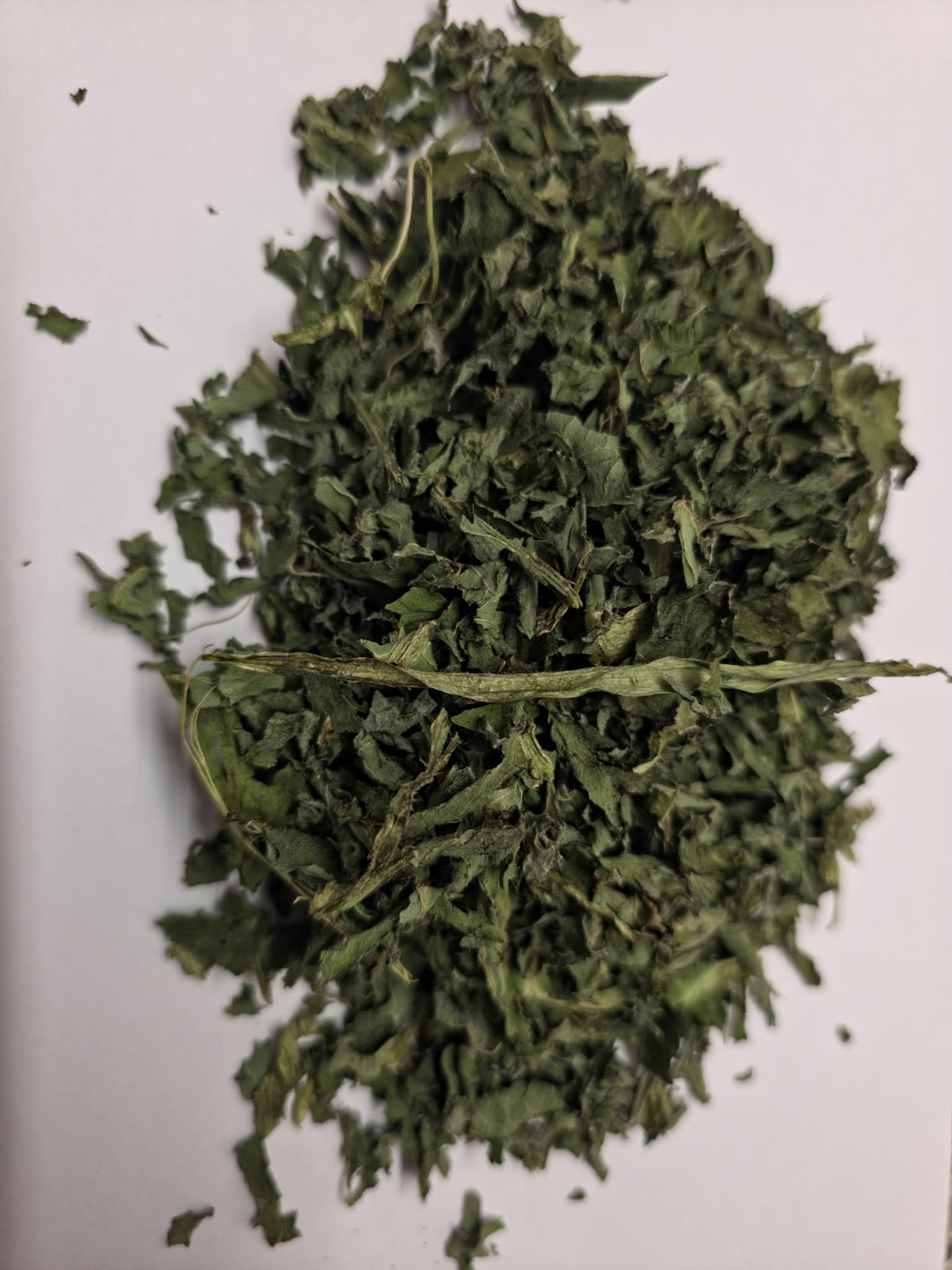
Our Organic & Biodynamic Comfrey Leaf (Symphytum spp.) is an exceptional practitioner-grade and apothecary-grade dried botanical harvested in the United Kingdom. Revered across centuries of traditional European herbalism under the folk names "Knitbone" and "Bruisewort," this master-grade leaf is gently warm-air dried to preserve its dark green curled structure, brittle texture, and fresh sweet aroma. Every batch is certified Organic and Biodynamic (Demeter standard) and strictly tested to European Pharmacopoeia Category A standards.
⚠️ CRITICAL SAFETY NOTICE: FOR EXTERNAL USE ONLY
This product is strictly designated for external topical applications (such as poultices, herbal compresses, topical washes, infused oils, and herbal salves). Do not consume or use internally unless under the direct supervision and instruction of a qualified Medical Herbalist. Do not apply directly to deep, open, or freshly bleeding wounds.
🌿 Traditional Energetics, Affinities & Global Herbal Lore
In traditional Western herbalism, Comfrey Leaf holds an exalted position as a premier topical restorative and tissue-soothing botanical:
- The "Knitbone" Legacy: Historically celebrated for its remarkable ability to comfort tired joints, overworked muscles, sprains, and blunt tissue tension when applied topically as a warm poultice or soak.
- Rich Allantoin & Mucilage Profile: Naturally abounds in allantoin, rosmarinic acid, and soothing plant mucilage, which work synergistically to hydrate, cool, and soothe irritated skin boundaries.
- Energetic Architecture: Energetically classified as cool, moist, and astringent—ideal for soothing overheated, dry, or irritated topical tissue patterns.
- Synergistic Topical Blends: Combines exceptionally well with Arnica flowers, Calendula petals, or St. John's Wort for creating high-potency herbal salves, liniments, and soothing leg compresses.
🍵 How to Prepare an External Comfrey Leaf Infusion (Compress / Wash / Soak)
An external infusion extracts water-soluble mucilage and rosmarinic acid for use in soothing topical cloths, foot baths, or joint washes.
- Measure: Place 2 to 3 tablespoons of dried Organic Comfrey Leaf into a heatproof bowl or large glass jar.
- Brew: Pour 500ml of freshly boiled water directly over the leaves.
- Steep: Cover securely with a lid or plate to trap steam and steep for 20 to 30 minutes.
-
Strain & Apply: Strain the tea thoroughly through fine muslin cloth or a sieve.
- As a Compress: Soak a clean cotton or linen cloth in the warm liquid, wring out excess moisture, and lay directly over intact skin, tired muscles, or closed joints for 15–20 minutes.
- As a Soak: Pour the strained liquid into a foot bath or basin for a soothing soak.
🌿 How to Prepare a Traditional Comfrey Leaf Poultice
A poultice delivers the dense, whole herbal matrix directly over targeted areas of skin or muscle tension.
- Crush: Take 3 to 4 tablespoons of dried Comfrey Leaf and coarsely grind or crush using a mortar and pestle.
- Moisten: Transfer to a small bowl and add just enough hot water (or warm witch hazel) to create a thick, moist herbal paste. Allow it to sit for 3 minutes to swell and release mucilage.
- Wrap: Spread the warm herbal paste onto the center of a piece of clean cotton cloth, linen, or gauze. Fold the edges over to enclose the herb or apply wrapped gauze directly onto intact skin.
- Apply: Secure the poultice over the affected area with a light bandage or wrap. Leave in place for 20 to 40 minutes. Discard the spent plant material after use.
📊 Technical Specifications & Dispensary Standards
| Specification Metric | Dispensary Standard |
| Botanical Name | Symphytum spp. |
| Common / Traditional Names | Comfrey Leaf, Knitbone, Bruisewort, Slippery Root Leaf |
| Plant Part & Format | 100% Pure Dried Curled Leaf (Dark Green, Brittle Texture) |
| Sourcing & Country of Origin | United Kingdom (UK Grown) |
| Organic & Quality Status | Soil Association Certified Organic & Biodynamic (Demeter Standard) |
| Processing Method | Gentle Warm-Air Dried |
| Microbiological Testing | Tested to EU Pharmacopoeia Category A standards for herbal infusions |
| Organoleptic Profile | Dark green brittle leaves; sweet, fresh odor |
| Dietary & Environmental | 100% Vegan & Vegetarian Suitable | Non-GM |
| Usage Restriction | Strictly External Use Only (Compresses, Poultices, Washes, Soaks, Salves) |
⚠️ Safety Guidelines & Contraindications
- External Use Restriction: Designated strictly for external topical use. Comfrey contains naturally occurring pyrrolizidine alkaloids (PAs). Do not take internally unless under the express instruction and supervision of a qualified Medical Herbalist.
- Broken Skin Warning: Do not apply comfrey preparations to deep open wounds, punctured skin, or bleeding cuts, as its rapid soothing action over surface skin can trap impurities beneath the surface tissue.
- Pregnancy & Lactation: Avoid extensive topical application during pregnancy or breastfeeding unless guided by a qualified healthcare professional.
- Allergen Advice: Naturally free from gluten, dairy, nuts, soy, and artificial additives. Handled at a primary facility that processes celery and mustard under strict isolation protocols.
Professional UK Herbalist Standards & Small-Batch Processing
At Botanical Remedies, our dried herbs are selected in small, controlled batches with meticulous attention to origin, species authenticity, and active constituent density. Unlike mass-market commercial herbs—which are often subject to bulk industrial processing, radiation, and prolonged storage—our Comfrey Leaf is handled strictly to practitioner-grade and apothecary-grade standards.
Because of UK law, we cannot provide any medicinal information about our products. However, we only offer herbal botanicals that have proven effects in literature or tradition. Every batch is thoroughly tested in laboratories for authenticity, quality, and micro-purity, providing Medical Herbalists, Naturopaths, and discerning home practitioners with a safe, efficient, and potent raw material.
Please do not confuse standard mass-market herbs with our practitioner-focused offerings. There is a profound difference in both the process and cost of production for high-grade organic and biodynamic herbs compared to mass-produced commercial botanicals.
Where can you find reliable, traditionally and scientifically grounded information about herbs, dosages, and safety?
- Botanical Remedies Blog — Articles published by our Master Herbalist and Naturopath
- Herbal Reality — Website run by experienced UK Medical Herbalists
- Richard Whelan — Website run by Medical Herbalist
⚠️ Disclaimer: This product is a botanical raw material for external use and is not classified as a medicine. It is not intended to diagnose, treat, cure, or prevent any disease. Always consult your GP or Medical Herbalist before starting a new herbal regime.
Frequently Asked Questions About Organic Comfrey Leaf
Can Comfrey Leaf be taken internally as an herbal tea?
No. Comfrey Leaf contains naturally occurring pyrrolizidine alkaloids (PAs) and is strictly designated for external use only (such as poultices, washes, and compresses). It should not be ingested internally unless under the direct instruction and supervision of a qualified Medical Herbalist.
What is the difference between an external infusion compress and a poultice?
An external infusion compress uses strained herbal tea soaked into a cloth, which is ideal for broad joint washes or cooling compresses. A poultice applies the moistened whole crushed leaves wrapped in gauze directly onto intact skin, providing a concentrated local application of mucilage and herbal constituents.
Why is Comfrey traditionally known as "Knitbone"?
In traditional European folk medicine, Comfrey earned the nickname "Knitbone" or "Bruisewort" because herbalists traditionally applied warm leaf poultices topically to comfort tired joints, sprains, and closed tissue tension.
Is this Comfrey Leaf certified organic and biodynamic?
Yes. Our UK-grown Comfrey Leaf holds full Organic and Biodynamic (Demeter) certification, meeting European Pharmacopoeia Category A standards for micro-purity.
Share
Certified Organic Product — Checked and verified by the Soil Association. View our official credentials