Botanical remedies - Herbal Dispensary
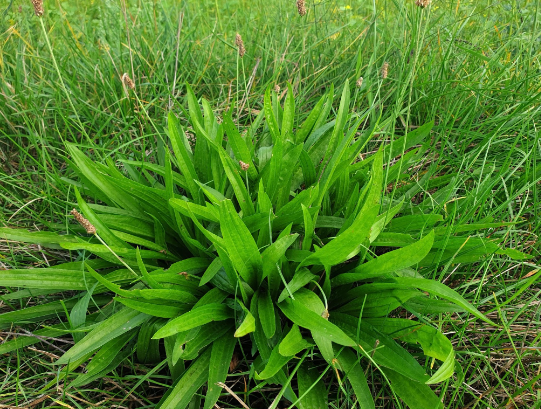
Ribwort Plantain Leaf (Plantago lanceolata) | Premium Apothecary Grade
Ribwort Plantain Leaf (Plantago lanceolata) | Premium Apothecary Grade
Botanical Origin:
Certification:
Quality Grade:
Microbiological Standard:
Processing Method:
Couldn't load pickup availability
Delivery Speed: Fast 1–3 Day Tracked UK Shipping
Company Registration: Botanical Remedies LTD (No. 16096218)
Food Safety & Hygiene: FSA Registered (ID 1785398)
Organic Accreditation: Soil Association Licensed (DA31976 / GB-ORG-05)
Quality Guarantee: COA / COC available upon request.
20% Trade Discount available for verified practitioners.
Sustainably sourced from wild nature and premium organic or traditional farms
Wild-Crafted Pristine Quality | 100% Pure Polish Loose Herbal Tonic
"An exceptionally clean, nutrient-dense, and highly adaptive wild-crafted leaf—responsibly gathered from the clean meadows of Poland to preserve its unique dual matrix of soothing mucilage and toning tannins."
Sourced from pristine, unpolluted wild meadows and native hedgerows across Poland... our Ribwort Plantain Leaf represents an elite apothecary grade of loose botanical material. Formally classified under the taxonomical designation Plantago lanceolata L. and recognized globally by a rich tapestry of traditional folk names including English Plantain, Narrowleaf Plantain, Ribleaf, Lamb's Tongue, Buckhorn, and in its native Polish heritage as Babka Lancetowata, this resilient perennial herb has been a core pillar of European traditional herbalism for centuries. This premium batch consists entirely of 100% pure, wild-collected leaves that have been gently air-dried and cleanly cut to optimize compound retention. Free from synthetic chemical enhancements, industrial irradiation, artificial green dyes, or processing fillers, our loose leaf delivers a grounded, multi-purpose profile prized by clinical practitioners and retail tea connoisseurs alike.
🌿 The Energetic Architecture of Ribwort Plantain
In classical Western herbalism and traditional European folk systems, Plantago lanceolata is highly unique because it possesses a beautiful "dual-action" energetic blueprint that balances opposing states:
- Cooling & Soothing: It carries a naturally cooling thermal energy, traditionally utilized to temper excess systemic "heat," localized environmental redness, and hot, sharp tissue discomfort.
- Drying & Astringent: Due to its rich natural density of protective tannins, it exerts a clean, drying, and toning energetic influence, helping to tighten loose, relaxed, or over-saturated structural boundaries.
- Moistening & Demulcent: Paradoxically, its internal water-soluble mucilage compounds provide a soft, slipperiness that coats and moistens dry, parched, or irritated mucous membranes, creating a perfectly balanced constitutional remedy.
💎 Time-Honored Traditional Benefits
For thousands of years, traditional village herbalists and family apothecaries have relied on wild-crafted Plantain leaves to maintain daily systemic resilience, comfort seasonal transitions, and support tissue integrity:
- Soothes and Comforts Respiratory Airways: English Plantain leaf is celebrated in European folk customs as an elite seasonal lifestyle tea. The natural emollient mucilage works beautifully to coat, line, and soothe the delicate mucous membranes of the throat, comforting dry or scratchy airways and encouraging relaxed, easy breathing patterns during changing seasons.
- Supports Tissue Toning and Fluid Balance: Thanks to its active astringent principles, drinking a warm infusion helps gently tone the internal mucosal structures of the gastrointestinal tract, supporting normal fluid balance and general digestive tissue stability.
- Beautifying and Soothing Complexion Support: True to its ancient heritage as a traditional skin comfort herb, the antioxidant flavonoids (such as aucubin) help protect cells from oxidative stress. When consumed as a bright herbal tea, it supports a clean, radiant skin profile from the inside out.
- A Gentle Grounding Tonic for Daily Vitality: Delivering an earthy and fruity tasting infusion with a subtly sweet scent, this wild-crafted leaf acts as a wonderfully clean, caffeine-free daily beverage to help ground an overworked nervous system.
Classical Folklore & The Ancient European Footprint
Few wild herbs carry an ethnobotanical legacy as deeply rooted in the history of human migration as the humble Plantain:
- The White Man's Footstep: Indigenous cultures globally observed that wherever European pioneers traveled and settled, this highly adaptive, resilient leaf would naturally spring up along their compacted walking paths, leading it to be nicknamed "the footprint of civilization" due to its affinity for human company.
- The Sacred Anglo-Saxon Nine: In ancient pre-Christian Anglo-Saxon medical texts (such as the Nine Herbs Charm), Plantain was venerated under ancestral names as a master herb of protection. It was celebrated for its absolute structural strength, praised for its ability to withstand heavy cartwheels and trampling hooves while remaining entirely undamaged.
- The Slavic Babka Lancetowata: In Polish and Eastern European folklore, the herb is affectionately called Babka Lancetowata (referencing a protective grandmother or wise woman). It has been passed down through generations of rural families as a mandatory seasonal pantry staple, utilized to compound comforting winter elixirs and soothing skin compresses.
How to Prepare a Traditional Plantain Leaf Infusion
Because wild-crafted English Plantain leaves protect their complex iridoid glycosides and fine volatile resins behind a resilient cellular structure, they require a generous, covered steeping window to fully liberate their qualities:
- Proportions: Place 1 to 2 teaspoons of the loose dried Plantain leaves into a standard tea infuser, glass teapot, or covered mug vessel.
- The Infusion Process: Pour one cup (approximately 250ml) of freshly boiled water directly over the loose, cut leaves.
- The Critical Steeping Phase: Crucial Step: Immediately place a tight lid, saucer, or small plate securely over your brewing vessel. This traps the rising steam and forces the valuable volatile properties and aromatic fruit-like notes to condense directly back down into your cup instead of escaping into the air. Allow the mixture to steep comfortably for 10 to 25 minutes.
- The Serve: Strain the beautiful, clear amber liquor thoroughly. Sip slowly to experience its authentic earthy, sweet-fruity character. It can be safely enjoyed plain or enhanced traditionally with a touch of raw local honey.
Technical Specifications & Purity Standards
| Parameter | Specification |
| Botanical Name | Plantago lanceolata L. (Synonyms: English Plantain, Ribwort Plantain, Narrowleaf Plantain, Ribleaf, Lamb's Tongue, Buckhorn, Babka Lancetowata). |
| Part of Plant | 100% Pure Dried Leaves (Clean cut and sifted, premium wild-crafted leaf yield). |
| Color & Sensory Profile | Beautiful pale olive-to-deep forest green cut leaves. Delivers a clean, comforting, and earth-fruity aroma with a pleasant, subtly sweet, and mildly astringent taste. |
| Grade & Quality | Premium Apothecary Grade / Food-Grade Practitioner Material. |
| Origin | Poland. |
| Status | 100% Prisintely Wild-Grown / Wild-Crafted. Non-GMO. Non-Irradiated. Free from chemical sulfur processing, synthetic dyes, or processing fillers. |
| Dietary Suitability | 100% suited for vegan, vegetarian, raw, clean-label, and gluten-free dietary lifestyles. |
| Dispensary Packaging | Hand-packed in our eco-friendly, UV-protective, and resealable paper barrier bags to protect the delicate leaf tissue from environmental moisture and light. |
⚠️ Important Allergen Declaration & Facility Advice
- Pure Botanical Integrity: This product consists entirely of 100% pure, unadulterated dried English Plantain leaf. It is completely free from artificial colors, synthetic flavorings, preservatives, or added sugars.
- Plantaginaceae Family Note: Plantain leaf is a member of the Plantaginaceae plant family. While universally recognized as exceptionally safe and gentle, individuals with highly rare, acute hypersensitivities to field weeds or plantain pollens should introduce the herb mindfully.
- Allergen Facility Guarantee: The primary agricultural processor handles raw materials containing cereals containing gluten, celery, mustard, sesame, peanuts, and various nuts. At Botanical Remedies, we handle only Celery Seeds on-site; all strict safety, isolation, and separate handling zones are rigorously maintained to actively prevent cross-contamination, ensuring your apothecary stocks remain pure.
In-House Dispensary Verification & Laboratory Testing
- Microbiological Safety: Products are subject to routine microbiological analysis. Limits verify the absolute absence of Salmonella in 25g.
- Contaminants Compliance: Tested in accordance with Commission Regulation (EU) 2023/915 on maximum levels for certain contaminants in food, ensuring strict pesticide, heavy metal, and environmental clearance thresholds.
- Quality Assured: Primary manufacturer microbiological and chemical testing verified upon arrival. Final dispensary organoleptic assessment and batch verification are personally conducted by Master Herbalist Wojciech Bujak to guarantee absolute botanical authenticity.
- Documentation: Batch-specific Certificates of Conformance (CoC) are available upon request.
Professional UK Law & Practitioner Standards
At Botanical Remedies, we bring strict professional herbal testing standards to our dispensary. We only offer barks, roots, leaves, and flowers that have been thoroughly tested for authenticity, quality, and purity. Please do not confuse standard mass-market supplements with our practitioner-grade offerings.
Where can you find reliable, traditionally and scientifically grounded information about herbs, dosages, and safety?
- Herbal Reality — Web run by experienced Medical Herbalists
- Richard Whelan Medical Herbalist — Web run by Medical Herbalist
- Botanical Remedies Blog — Blog run by Master Herbalist and Naturopath
⚠️ Disclaimer: This product is a food supplement/botanical material and is not intended to diagnose, treat, cure, or prevent any disease. Always consult your GP or Medical Herbalist before starting a new herbal regime, especially if you are taking prescription medication or undergoing medical supervision.
Frequently Asked Questions About English Ribwort Plantain Leaf
Q: Are English Plantain Leaf and Ribwort Plantain Leaf the same herb, and why are there so many common names?
A: Yes, they are exactly the same botanical species! Formally classified by science as Plantago lanceolata, this resilient leaf has been treasured for thousands of years across different regions, leading to a wide variety of historical folk names. In North America, it is frequently referred to as English Plantain or Narrowleaf Plantain, while in the UK and European traditions, it is classically known as Ribwort Plantain (referencing the prominent structural ribs running along the back of the leaf tissue). At Botanical Remedies, we list all verified traditional names to ensure practitioners find the exact material they require.
Q: What makes your wild-crafted Polish Plantain Leaf superior to mass-market varieties?
A: Our English Plantain leaves are entirely wild-crafted—meaning they are hand-collected by expert local foragers at peak seasonal maturity from pristine, unpolluted wild meadows and native forest borders across Poland. Wild-grown plants face natural environmental shifts without human intervention, which naturally forces the plant to develop a significantly higher density of protective secondary plant metabolites, active iridoid glycosides, and natural tannins than plants forced to grow rapidly inside commercial green houses.
Q: Why does this loose herbal leaf require a full 10 to 25 minutes to steep under a cover?
A: This is a key preparation rule for all authentic wild-crafted leaf tonics. Plantago lanceolata possesses a dense fibrous envelope that safely locks in its beneficial water-soluble mucilage and toning plant resins. A quick 3-minute steep in an open mug will fail to penetrate this structure, leaving you with a weak and flat brew. Giving the herb 10 to 25 minutes inside a securely covered vessel allows the boiling water to thoroughly break down the leaf tissue, capturing the rising volatile aromatic vapors so they condense directly back down into your therapeutic cup.
Share