Botanical remedies - Herbal Dispensary
Dried Sweet Wormwood Herb (Artemisia annua) | Cut Loose Botanical
Dried Sweet Wormwood Herb (Artemisia annua) | Cut Loose Botanical
Botanical Origin:
Certification:
Quality Grade:
Microbiological Standard:
Processing Method:
Couldn't load pickup availability
Delivery Speed: Fast 1–3 Day Tracked UK Shipping
Company Registration: Botanical Remedies LTD (No. 16096218)
Food Safety & Hygiene: FSA Registered (ID 1785398)
Organic Accreditation: Soil Association Licensed (DA31976 / GB-ORG-05)
Quality Guarantee: COA / COC available upon request.
20% Trade Discount available for verified practitioners.
Sustainably sourced from wild nature and premium organic or traditional farms
Premium Cultivated Apothecary Grade | Traditional Bitter Tonic Infusion
"An exceptional, vibrantly aromatic botanical material, sustainably cultivated at peak potency to deliver a pure, authentic cut of loose Artemisia annua leaf tea."
Sourced from pristine, unpolluted agricultural stands where the herb is meticulously farmed to optimize its aromatic complexity, our Sweet Wormwood Loose Tea represents the absolute pinnacle of traditional botanical sourcing. Natively known as Qing Hao in traditional Eastern practices and globally celebrated as Annual Mugwort or Sweet Annie, Artemisia annua has been utilized for centuries as a foundational cleansing tonic. This premium batch features a cleanly cut and sifted leaf profile, harvested during ideal vegetative growth cycles right before flowering to maximize its natural compound density. It is completely free from heavy woody stems or industrial fillers, ensuring an uncompromised raw material optimized for traditional infusions and practitioner compounding.
Versatile Apothecary & Infusion Applications
Because our Sweet Wormwood consists entirely of clean, dried cut leaves free from chemical sprays, artificial flavorings, or preservatives, it offers total purity for traditional makers:
- Traditional Herbal Infusions: A cleanly sifted cut leaf material designed to hydrate rapidly in hot water, instantly releasing its volatile oils and signature bitter principles.
- Synergistic Herbal Blends: Due to its profoundly intense bitter and aromatic character, Sweet Wormwood tea is traditionally paired with sweeter or deeply aromatic botanicals like Peppermint, Ginger, or Licorice Root to soften the flavor profile.
- Apothecary Extractions: An outstanding base material for home crafters and clinical dispensaries seeking to create small-batch liquid tinctures or traditional apple cider vinegar macerations.
Traditional Heritage & Botanical Energetics
Revered across millennia as a premier cooling and clearing botanical, Artemisia annua holds a deeply documented position in international plant folklore:
- The Traditional Bitter Character: Characterized by a sharp, aromatic bitterness, traditional herbalists map this sensory profile directly to the digestive and metabolic pathways, utilizing the infusion as a bitter stomachic.
- Historical Folk Traditions: Natively celebrated for its unique ability to "clear seasonal heat" and support systemic boundaries, it has historically been consumed during changing environmental seasons to maintain internal balance and vitality.
- Pure Botanical Integrity: Unlike mass-market tea bags filled with low-grade powder, our loose cut leaf preserves the structural integrity of the plant’s essential oils, offering an authentic, full-spectrum bitter experience.
How to Prepare a Traditional Sweet Wormwood Tea
Because Artemisia annua leaves are delicate compared to dense roots or barks, it does not require a long stovetop boiling process. A proper covered infuser steep is ideal:
- Proportions: Place 1 level teaspoon of the loose cut leaf into a standard mesh tea ball, tea infuser, teapot, or cafetiere (preferably glass or ceramic).
- The Steeping Process: Pour 250ml of freshly boiled water directly over the leaves. Crucial Step: Immediately cover your vessel with a tight lid or saucer. This traps the steam and prevents the plant's highly valuable, aromatic essential oils from escaping.
- The Strain Step: Allow the mixture to infuse for exactly 5 to 10 minutes depending on your preferred bitterness preference. Strain thoroughly. Because of its intensely authentic bitter profile, you can enjoy it plain as a traditional bitter tonic, or blend it with a slice of fresh lemon, a sprig of mint, or sweeten it with a high-quality raw honey.
How to prepare Sweet wormwood herb cold infusion:
To prepare Sweet wormwood herb cold infusion, add 1-2 teaspoons of herb to per cup of liquid. Pour in a cup of water or full fat milk preferably, allow to step for few hours (overnight preferably). Drink cup of tea up to 3 times a day.
Safety and Contraindications:
Artemisia annua is a highly potent botanical and should be avoided during pregnancy, breastfeeding, or by individuals with known sensitivities to the Asteraceae (daisy) plant family. Long-term continuous use without a break is not recommended unless supervised by a qualified clinical practitioner.
Technical Specifications & Purity Standards
- Botanical Name: Artemisia annua L. (Synonyms: Sweet Annie, Annual Mugwort, Sweet Wormwood, Qing Hao).
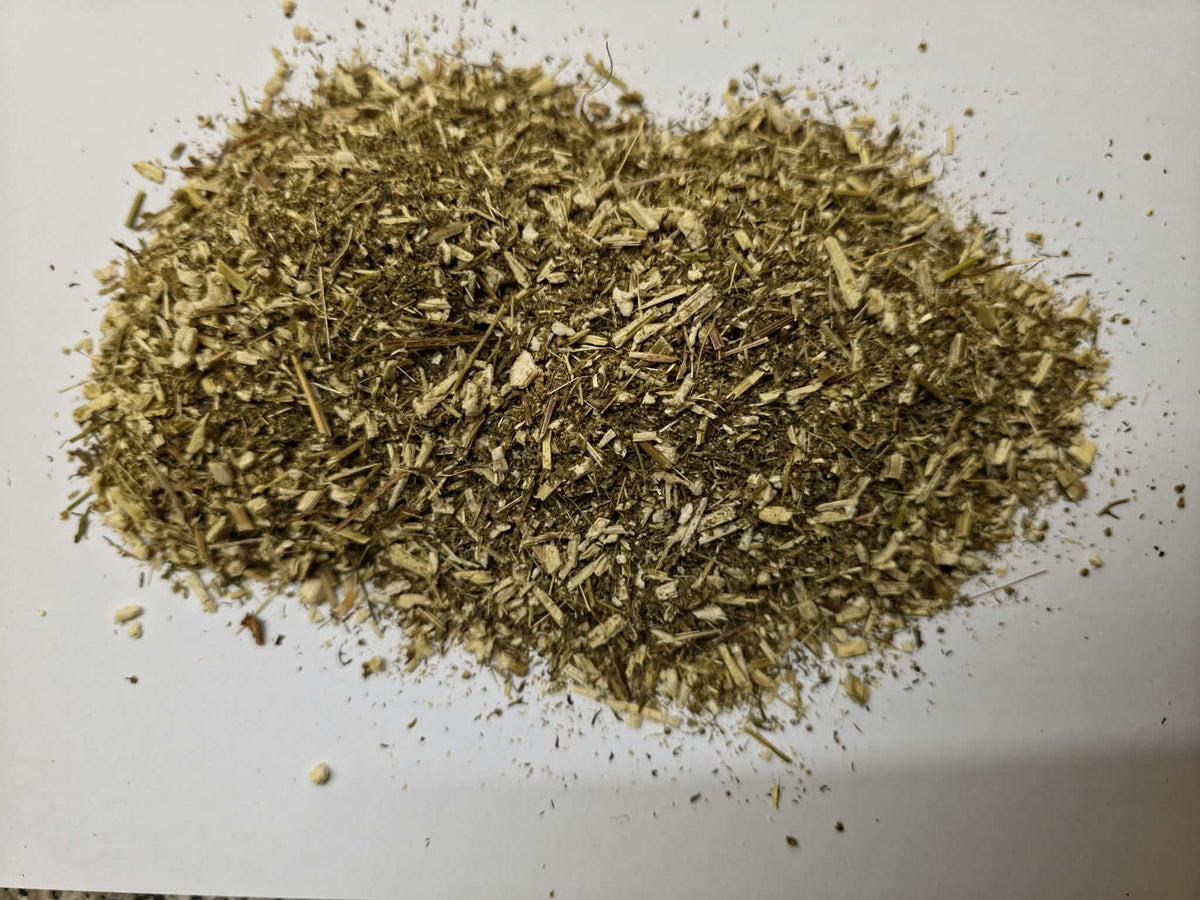
- Part of Plant: 100% Dried Cut Leaf (Clean cut and sifted, minimal stem content).
- Color & Sensory Profile: Beautiful pale green cut leaves yielding an intensely sweet, herbaceous, and intensely aromatic fragrance with a profoundly bitter flavor.
- Phytochemical Profile: Naturally contains sesquiterpene lactones, including artemisinin, alongside a rich array of volatile essential oils and bitter flavonoids.
- Grade & Quality: Premium Apothecary Quality / Food-Grade Practitioner Material.
- Origin: Central Europe.
- Status: 100% Sustainably Cultivated (Farmed Grown). Non-GMO. Non-Irradiated.
- Allergen Declaration: 100% pure botanical, absolutely nothing added. Free from artificial colours, artificial flavourings, and added sugars. Allergen advice: The primary processor handles cereals containing gluten, celery, mustard, sesame, peanuts, and various nuts. At Botanical Remedies, we handle only Celery Seeds on-site; all strict safety and isolation measures are rigorously in place to prevent cross-contamination.
- Dietary Suitability: Highly suitable for raw, vegan, vegetarian, and gluten-free dietary regimes.
- Dispensary Packaging: Hand-packed in our eco-friendly, UV-protective, and resealable barrier paper pouches to keep the delicate volatile oils perfectly fresh, dry, and active.
In-House Dispensary Verification & Laboratory Testing
- Microbiological Safety: Products are subject to routine microbiological analysis. Limits verify the absolute absence of Salmonella in 25g.
- Contaminants Compliance: Tested in accordance with Commission Regulation (EU) 2023/915 on maximum levels for certain contaminants in food, ensuring strict pesticide, heavy metal, and PAH clearances.
- Quality Assured: Primary manufacturer microbiological and chemical testing verified upon arrival. Final dispensary organoleptic assessment and batch verification are personally conducted by Master Herbalist Wojciech Bujak to guarantee correct botanical authenticity and high essential oil retention.
- Documentation: Batch-specific Certificates of Conformance (CoC) are available upon request.
Professional UK Law & Practitioner Standards
At Botanical Remedies, we bring strict professional herbal testing standards to our dispensary. We only offer barks, roots, and loose herbs that have been thoroughly tested for authenticity, quality, and purity. Please do not confuse standard mass-market supplements with our practitioner-grade offerings.
Where can you find reliable, traditionally and scientifically grounded information about herbs, dosages, and safety?
- Herbal Reality — Web run by experienced Medical Herbalists
- Richard Whelan Medical Herbalist — Web run by Medical Herbalist
⚠️ Disclaimer: This product is a food supplement/botanical material and is not intended to diagnose, treat, cure, or prevent any disease. Always consult your GP or Medical Herbalist before starting a new herbal regime, especially if you are taking prescription medication or undergoing medical supervision.
Frequently Asked Questions About Sweet Wormwood Tea
Q: Is Sweet Wormwood Tea the same as standard Wormwood?
A: No, they are distinct plants within the same family. Standard Wormwood is Artemisia absinthium, which is incredibly bitter and historically used in spirits like absinthe. Sweet Wormwood is Artemisia annua (Sweet Annie). While it is still distinctly bitter to taste, it possesses a completely unique, highly sweet, and pleasant herbal aroma that sets it apart from other wormwood varieties.
Q: Why does this tea taste so bitter, and how can I drink it comfortably?
A: The intense bitterness is a direct indicator of high-quality, compound-rich Artemisia annua leaves. If the flavor is too sharp for your palate, do not steep it for more than 5 minutes. You can easily balance the flavor by brewing it alongside naturally aromatic or sweet herbs like Peppermint, Spearmint, or Licorice Root, or by adding a teaspoon of raw honey and a squeeze of fresh lemon juice.
Q: Can I prepare these loose leaves in a standard mesh tea ball or mug infuser?
A: Yes, absolutely. Unlike dense roots or barks, these cultivated, cleanly sifted Artemisia annua leaves hydrate rapidly in freshly boiled water. A standard mesh tea ball, teapot, or cafetiere works perfectly. The most important step is to always place a lid, saucer, or cover over your vessel during the 5-to-10-minute steep. This traps the steam and prevents the plant's highly valuable, aromatic essential oils from evaporating away.
Q: Does Sweet Wormwood Tea contain caffeine?
A: No, absolutely not. Our Sweet Wormwood tea is a 100% pure herbal infusion and is completely caffeine-free. It can be enjoyed at any time of day or evening as a traditional grounding, bitter stomachic without interfering with your natural sleep cycles or causing jittery spikes.
Share